
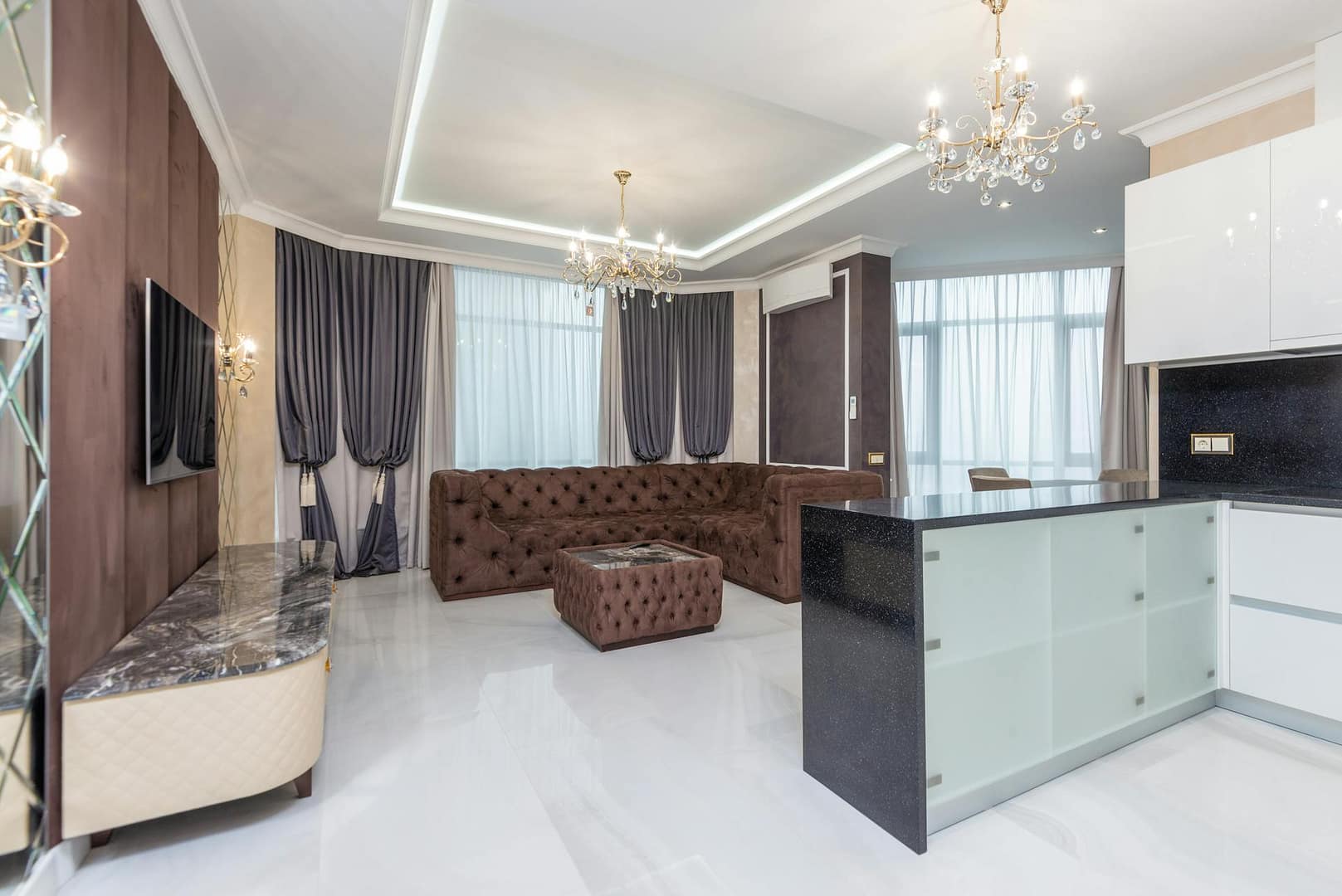
An expensive-looking home is not defined solely by high-cost furniture or luxury materials, but by how space, design, and detail come together visually. Elements such as lighting, layout, color coordination, and cleanliness all contribute to a space’s overall impression. When these factors are balanced, even simple interiors can appear refined and well-designed. The perception of luxury often comes from consistency and intentional design choices rather than price alone. Understanding this helps explain why small, thoughtful changes can significantly enhance a home’s appearance.
The Role of Clean Lines and Minimal Clutter
One of the most effective ways to create a polished home appearance is to maintain clean lines and reduce visual clutter. Spaces that feel open and organized naturally appear more refined because the eye can move through the room without distraction. Excess items can make even well-designed spaces feel crowded and less intentional. By simplifying arrangements and keeping surfaces clear, the overall environment becomes more structured. This sense of order contributes to the impression of a carefully designed and expensive-looking interior.
Lighting as a Key Design Element
Lighting plays a major role in shaping how a home is perceived. Natural light creates openness and enhances the appearance of space, while well-placed artificial lighting adds depth and warmth. Layered lighting, combining overhead and softer ambient sources, helps create a balanced atmosphere. Poor lighting can make even well-furnished rooms feel flat, while thoughtful lighting design adds dimension. The way light interacts with surfaces and colors influences the home’s overall mood and contributes significantly to its perceived value.
Using Color Coordination for Visual Harmony
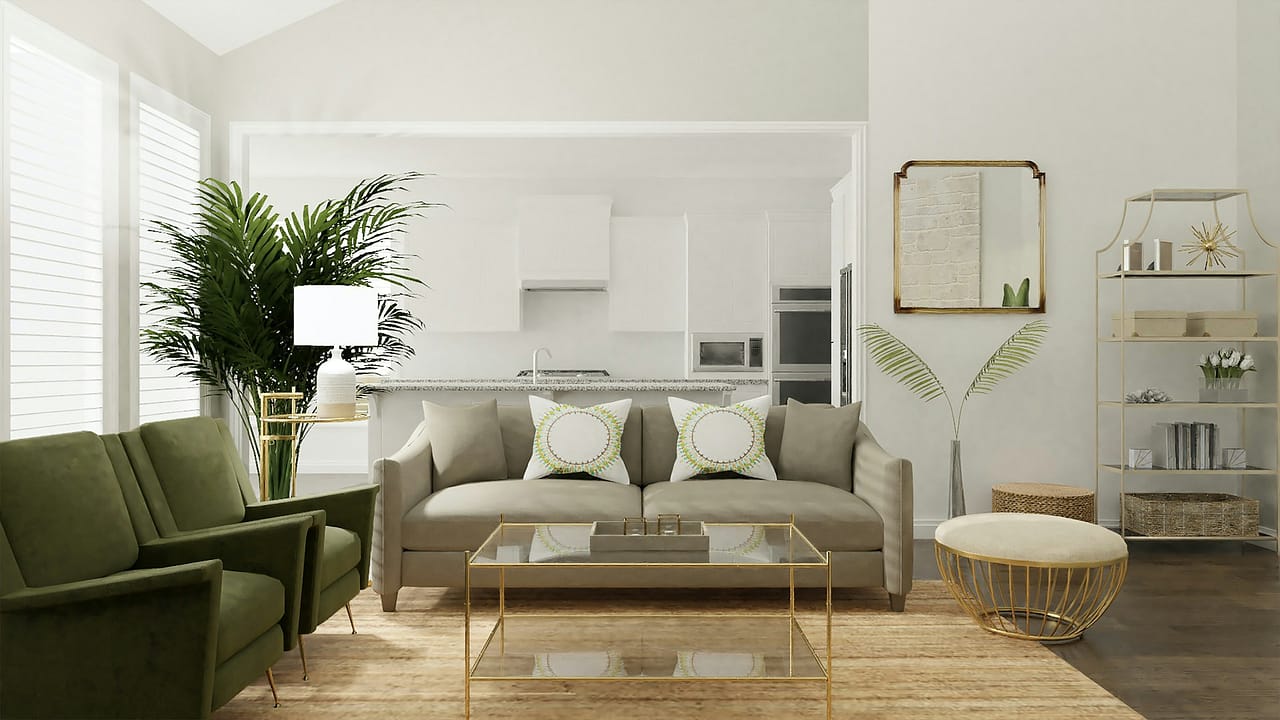
Color coordination helps create a cohesive, intentional look in a home. When colors are carefully selected and repeated across different elements, the space feels more unified. Neutral tones are often used to create a calm and balanced foundation, while subtle accent colors add interest without overwhelming the design. Inconsistent or overly varied color schemes can make spaces feel disorganized. A controlled palette allows furniture, decor, and architectural features to work together visually, contributing to a more refined appearance.
Focusing on Textures and Subtle Details
Texture adds depth and richness to interior spaces without requiring expensive materials. Combining different textures, such as soft fabrics, smooth surfaces, and natural finishes, creates visual interest. Small details, including hardware finishes, fabric choices, and decorative elements, contribute to the overall impression of quality. These subtle features often influence how polished a space feels. When textures are balanced thoughtfully, they enhance the sense of sophistication without significantly increasing costs.
Making a home look expensive on a small budget depends on design choices rather than high spending. Clean layouts, effective lighting, coordinated colors, and thoughtful textures all contribute to a refined appearance. These elements work together to create visual harmony and a sense of intentional design. By focusing on structure and detail, it is possible to elevate a home’s look without a major financial investment. This highlights how design awareness can transform everyday spaces into more elegant environments.